
For some years now, there has been a recurring phenomenon that few travellers notice until they experience it first-hand: the internet does not show everyone the same thing. The same flight, the same hotel or the same streaming service may appear different, cost differently or be completely inaccessible depending on the country from which you are connecting – a detail that can significantly alter the experience of frequent travellers. Let’s try to understand this mechanism better, and above all, when we can take advantage of it.
TRAVEL BLOG CONTENTS
Geolocation of content and prices
Many websites for booking flights, hotels or even car hire display different rates depending on the country of origin detected via the IP address, following a logic that is often based on market-specific pricing strategies. For example, the exact same flight may appear cheaper if searched for as if you were browsing from another country; this is because tour operators take into account differences in consumption across different countries and therefore adjust their prices accordingly.
Access to different content
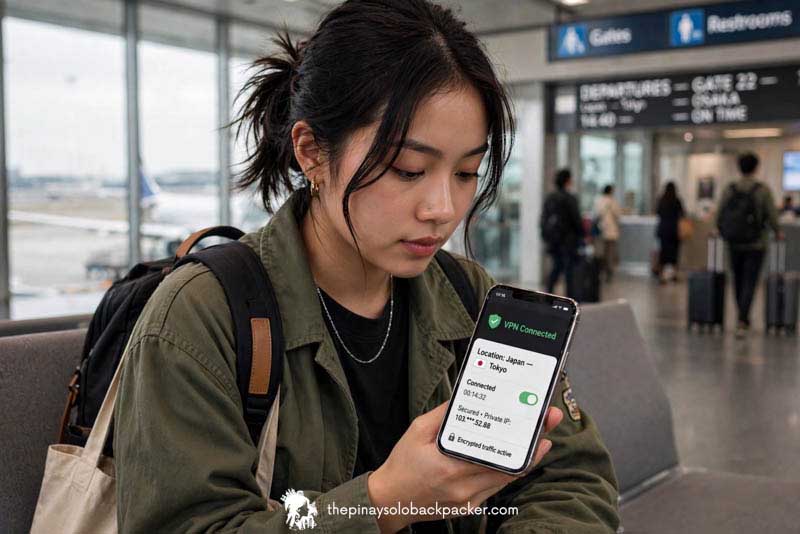
It is often the case that not all countries have access to the same content, but increasingly, much of this content is geo-blocked depending on the region. TV series, films, entire streaming platforms or even domestic banking services may become inaccessible as soon as you are abroad, leaving travellers cut off from things they would normally use at home. This is due to differences in the required regional distribution licences and local regulations. VPNs are often used to address this problem: for those interested in exploring how VPN technology works and seeing the practical applications of these tools, more information is available on ExpressVPN’s website, where users can learn more about the technology and its features. With this little trick, you can bypass geographical restrictions and enjoy any entertainment you like!
The benefits of a good VPN
Thanks to this technology, users can virtually change their online location, choosing the country from which it appears they are browsing, thereby regaining access to content and prices as if they were at home. For example, you can connect from Mexico as if you were in Japan. Furthermore, a VPN is extremely useful for protecting your data whilst browsing, and for mitigating issues relating to internet censorship and the global connection gap. Contrary to popular belief, the internet is by no means the same everywhere, and this has a tangible impact on the experience of those who travel, use streaming services or place an international order. Understanding how location affects the internet can make international travel much easier and, in some cases, less expensive.

Before booking a flight or hotel, travellers can compare prices from different markets, although they should always check the final price, including taxes, fees and currency conversion costs. It is also important to remember that changing your virtual location does not guarantee a lower price, since websites may use cookies, account information, payment details or other factors to determine which offer to display. A VPN can also be particularly useful when connecting to public Wi-Fi networks in airports, hotels, cafés or train stations. By encrypting the connection, it can reduce the risk of third parties intercepting sensitive information while browsing. However, it is not a substitute for basic online security: travellers should still use strong, unique passwords, enable two-factor authentication and avoid accessing sensitive accounts on suspicious networks. Ultimately, the geographical nature of the internet is something travellers increasingly need to understand. Digital borders can influence what we watch, what we pay, which services we can access and even how safely we connect.