Filipino passport holders get a visa on arrival in Nepal, so the Everest Base Camp trek needs no embassy appointment and no advance visa fee. The trek itself runs 12 days from Lukla and costs roughly PHP 70,000 to 110,000 with a licensed guide, which has been compulsory since April 2023. Add flights from Manila at around PHP 25,000 to 45,000 return with one stop, plus insurance, and a complete two-week trip lands between PHP 115,000 and PHP 180,000. No climbing experience is needed.
TRAVEL BLOG CONTENTS
Key Takeaways
- Visa on arrival for Filipinos: USD 30 for 15 days, USD 50 for 30 days, paid in cash at the airport.
- No direct Manila to Kathmandu flights. One stop via Kuala Lumpur, Bangkok, Singapore, Hong Kong, or Delhi.
- A licensed guide is compulsory in Nepal’s national parks, so fully independent trekking is no longer allowed.
- Guided 12-day trek: roughly PHP 70,000 to 110,000, covering lodging, meals, permits, and both Lukla flights.
- Total trip budget: PHP 115,000 to 180,000 for two weeks, including flights and insurance.
- Best months are October to November and late March to April.
Do Filipinos Need a Visa for Nepal?
No advance visa is required. Philippine passport holders are eligible for a visa on arrival at Tribhuvan International Airport in Kathmandu, paid in cash on the day.
Fill in the online arrival form at the Department of Immigration website within 15 days of travel, then print or screenshot the confirmation. The terminals at the airport are unreliable, so bringing the printout saves time.
| Visa length | Fee | Approximate PHP |
| 15 days | USD 30 | PHP 1,750 |
| 30 days | USD 50 | PHP 2,900 |
| 90 days | USD 125 | PHP 7,300 |
Bring clean US dollar notes. Card machines at the visa counter fail regularly, and damaged or torn bills get refused.
For a 12-day trek plus arrival and departure days, the 15-day visa is tight. Take the 30-day option for the margin, since the extra USD 20 is cheaper than fixing an overstay at the airport.
How Do You Get to Kathmandu From Manila?
There are no direct flights, so every route involves one or two stops. Total travel time runs 10 to 16 hours depending on the connection.
| Route | Airlines commonly used | Typical return fare |
| Manila to Kuala Lumpur to Kathmandu | AirAsia, Malaysia Airlines, Himalaya | PHP 25,000 to 38,000 |
| Manila to Bangkok to Kathmandu | Thai Airways, Nepal Airlines | PHP 28,000 to 42,000 |
| Manila to Singapore to Kathmandu | Singapore Airlines, regional carriers | PHP 30,000 to 45,000 |
| Manila to Hong Kong to Kathmandu | Cathay, Himalaya Airlines | PHP 28,000 to 44,000 |
| Manila to Delhi to Kathmandu | Various | PHP 26,000 to 40,000 |
Book the connection with enough buffer. A four-hour layover sounds excessive until a delay out of Manila turns a two-hour one into a missed flight and a lost trekking day.
Arrive in Kathmandu at least one full day before the trek starts. Permits, gear rental and the pre-trek briefing all happen there, and a same-day arrival leaves no room for a delayed bag.
What Does the Everest Base Camp Itinerary Look Like?
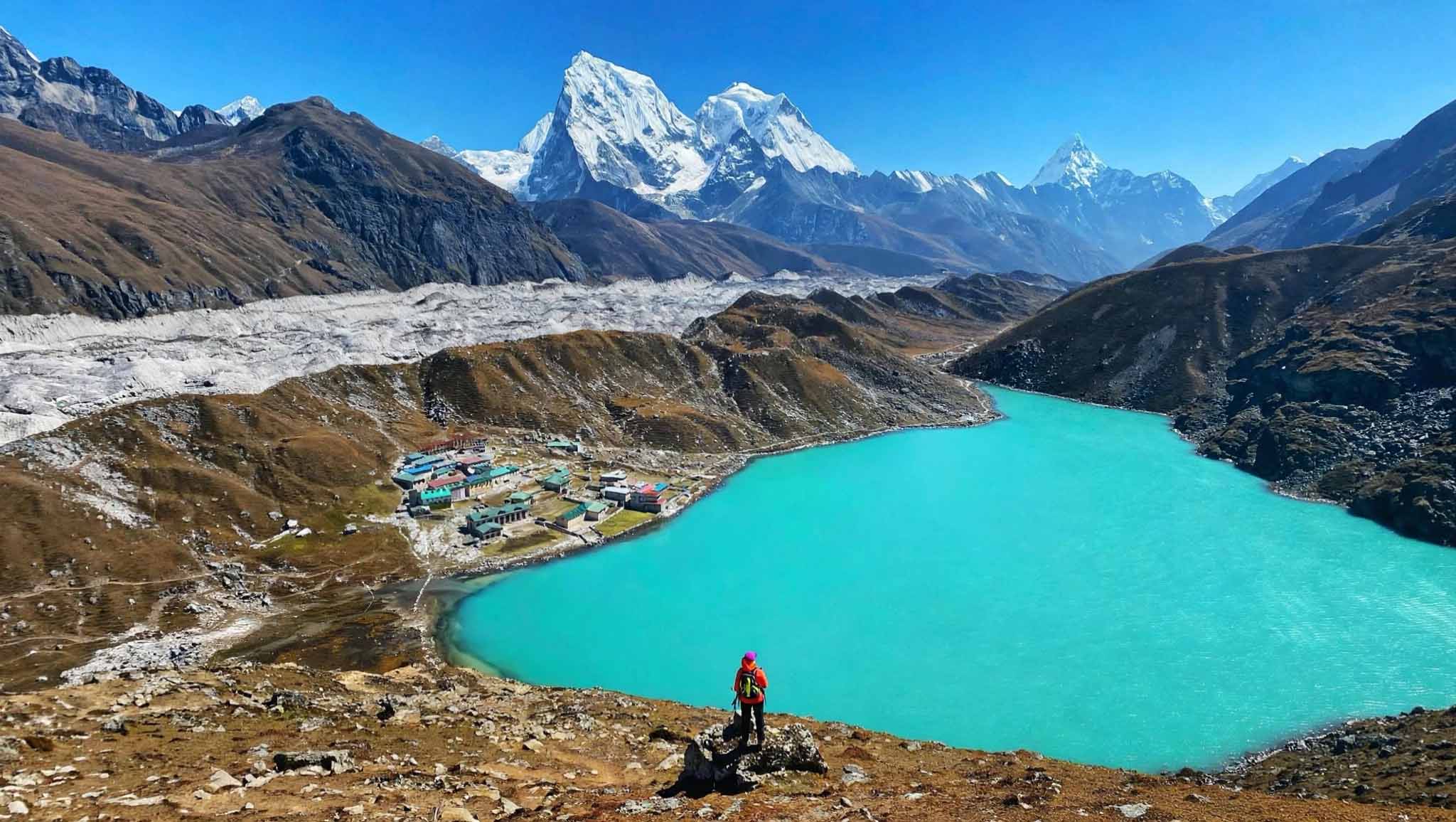
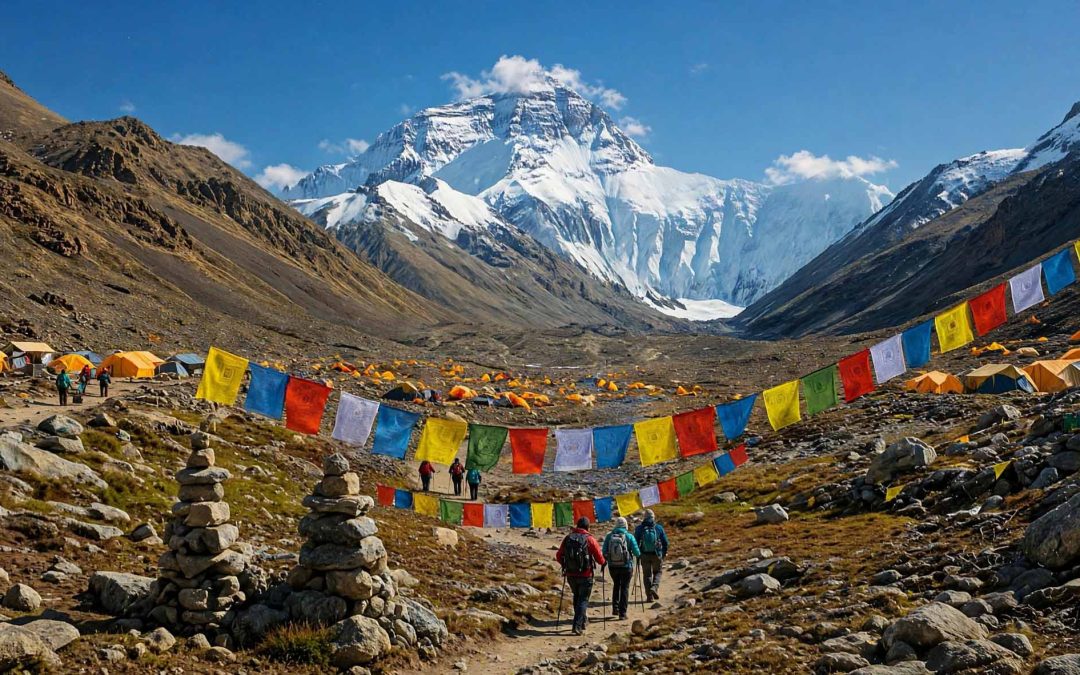
Twelve days from Lukla to Lukla, with two acclimatisation days that are not optional. The route covers around 130 km round trip and tops out at Kala Patthar at 5,545 m, which is the viewpoint rather than Base Camp itself.
Magical Nepal’s EBC Trek follows this schedule, with rest days at Namche Bazaar and Dingboche placed where the altitude gain demands them.
| Day | Route | Sleeping altitude | Hours |
| 1 | Fly to Lukla, walk to Phakding | 2,610 m | 3 to 4 |
| 2 | Phakding to Namche Bazaar | 3,440 m | 6 |
| 3 | Acclimatisation day at Namche | 3,440 m | 3 to 4 |
| 4 | Namche to Tengboche | 3,860 m | 5 |
| 5 | Tengboche to Dingboche | 4,410 m | 5 |
| 6 | Acclimatisation day at Dingboche | 4,410 m | 3 to 4 |
| 7 | Dingboche to Lobuche | 4,940 m | 5 |
| 8 | Lobuche to Gorak Shep, Base Camp and back | 5,164 m | 7 to 8 |
| 9 | Kala Patthar at sunrise, descend to Pheriche | 4,371 m | 7 |
| 10 | Pheriche to Namche | 3,440 m | 7 |
| 11 | Namche to Lukla | 2,860 m | 7 |
| 12 | Fly back to Kathmandu |
Ten-day versions exist and cut one acclimatisation day, which roughly doubles the chance of altitude sickness. The two rest days are the reason this itinerary works.
In peak season, the Lukla flight departs from Ramechhap airport rather than Kathmandu, which means a four- to five-hour drive leaving around 2 am. Operators arrange a shared jeep for this.
How Much Does the Everest Base Camp Trek Cost?
A guided 12-day trek costs PHP 70,000 to 110,000, and the package covers more than most travelers expect. Both Lukla flights, all permits, eleven nights of lodging, three meals a day, and a licensed guide are included.
| Item | USD | Approximate PHP |
| Guided 12-day trek | 1,200 to 1,900 | 70,000 to 110,000 |
| Return flights from Manila | 430 to 780 | 25,000 to 45,000 |
| Visa on arrival, 30 days | 50 | 2,900 |
| Travel insurance to 6,000 m with helicopter cover | 150 to 250 | 8,700 to 14,500 |
| Gear rental in Kathmandu, 12 days | 25 to 40 | 1,500 to 2,300 |
| Spending money on the trail | 150 to 250 | 8,700 to 14,500 |
| Tips for guide and porter | 150 to 200 | 8,700 to 11,600 |
| Total | 2,155 to 3,470 | 125,000 to 200,000 |
The insurance line is the one not to skip. Ordinary travel insurance stops covering you at 3,000 m, far below this route’s high point, and a helicopter evacuation to Kathmandu is billed at USD 4,000 to 6,000 without the right policy.
Daily spending on the trail covers hot showers, phone charging, wifi cards, snacks and drinks, and runs NPR 2,000 to 4,000 a day. Prices climb with altitude because everything above the roadhead is carried by porter or yak.
Carry cash from Kathmandu. There are no ATMs once the road ends, and the two machines at Namche Bazaar run empty by mid-week in October.
Can You Still Do This as an Independent Trek?
Not fully. Since April 2023, a licensed guide has been compulsory in all of Nepal’s national parks and conservation areas, and checkpoints at Lukla and Monjo enforce it.
What remains flexible is how you structure the rest:
- Join a fixed departure group. The cheapest option, and it solves the solo supplement because rooms are shared with another trekker of the same gender.
- Hire a guide only. USD 25 to 35 a day, paying for your own lodging and meals as you go. Works out close to group pricing once food inflation above Namche is counted.
- Hire a porter-guide. One person who carries up to 15 kg and guides, at USD 28 to 32 a day. The cheapest legal setup for a solo trekker.
Booking through a registered Kathmandu operator keeps 60 to 70 percent of the money in Nepal, against 30 to 40 percent through a foreign reseller. Check that the operator is registered with the Nepal Tourism Board and ask for the licence number.
Is the Everest Base Camp Trek Safe for Solo Female Travelers?
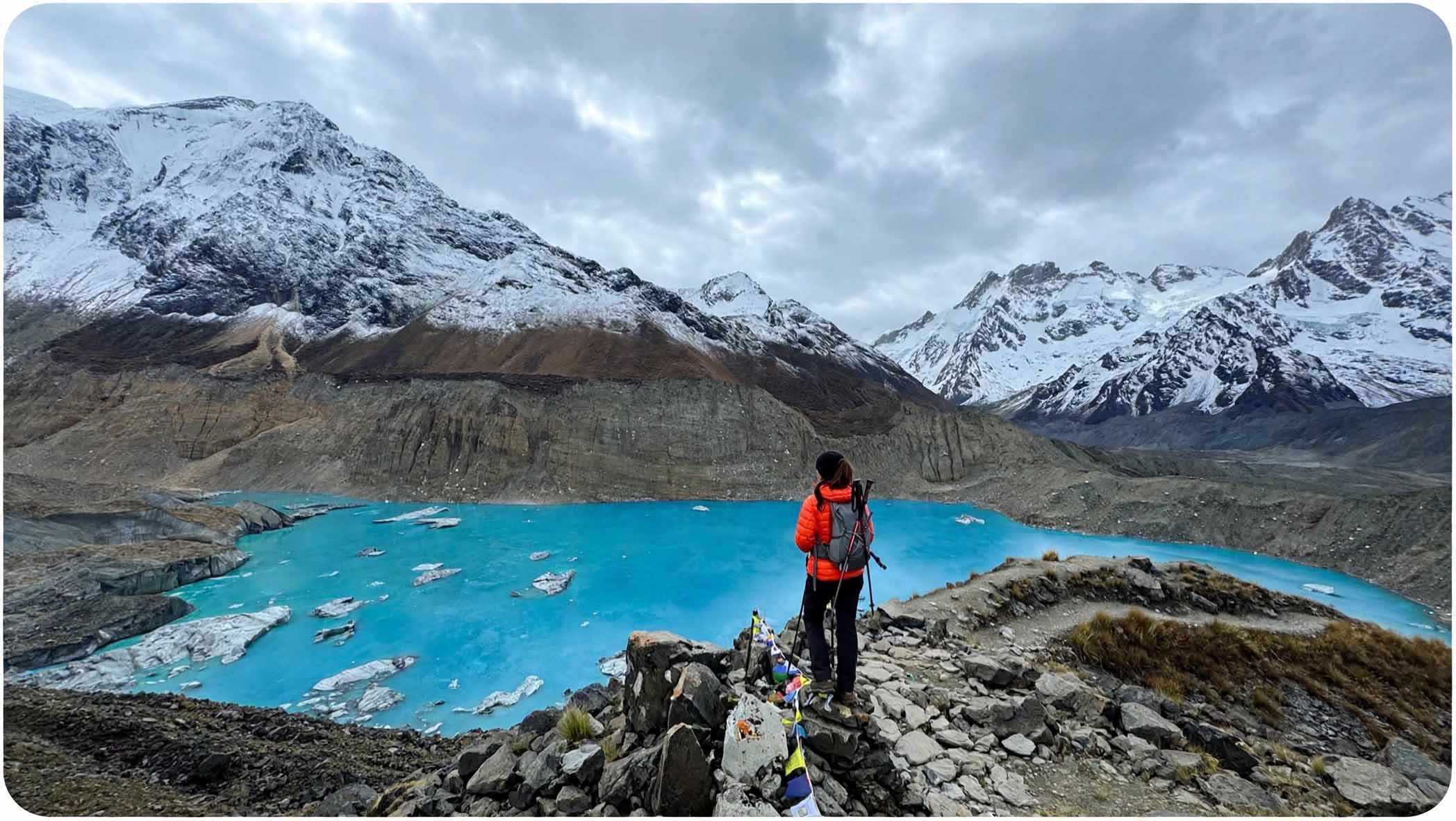
Yes, and it is one of the more straightforward long treks in Asia for a woman traveling alone. The trail is busy, teahouses are family-run and usually managed by the woman of the house, and the mandatory guide rule means nobody walks the route unaccompanied.
Practical points worth knowing:
- Rooms lock from the inside. Every teahouse door has an inside bolt.
-
Female guides are available from most Kathmandu operators on request, with about a week’s notice in October and April.
-
Bring enough sanitary products for the whole trek. Namche sells pads only, and nothing is available above it. Altitude can also bring a period forward by a week.
-
Carry out used products. There is no waste collection above the roadhead, and lodges burn rubbish.
-
A pee funnel is worth packing for the Kala Patthar ascent, which starts at 4:30 am in the dark with nowhere private.
-
Dining rooms are the social hub. Solo trekkers routinely team up for the sunrise walk, so you are rarely alone when you would rather not be.
In Kathmandu, Thamel is busy until late and used to solo travelers. Use ride-hailing apps such as Pathao or inDrive rather than street taxis after dark.
Which Other Treks in Nepal Are Worth Considering?
Several, and the right one depends on how many days you can actually take off work. The Everest route needs the full two weeks, and shorter options deliver a real Himalayan trek without it.
| Trek | Days | Highest point | Guided cost (PHP) |
| Poon Hill | 4 to 5 | 3,210 m | 26,000 to 38,000 |
| Mardi Himal | 5 to 6 | 4,200 m | 32,000 to 44,000 |
| Annapurna Base Camp | 7 to 10 | 4,130 m | 47,000 to 64,000 |
| Everest Base Camp | 12 to 14 | 5,545 m | 70,000 to 110,000 |
| Manaslu Circuit | 14 to 16 | 5,106 m | 82,000 to 116,000 |
| Annapurna Circuit | 14 to 18 | 5,416 m | 64,000 to 99,000 |
Anyone with three weeks can trek the Annapurna Circuit, which crosses the Thorong La pass at 5,416 m and passes through five distinct landscapes, from rice terraces to the Tibetan-style desert of Mustang. Its gradual ascent makes acclimatisation easier than the Everest route, and it costs less because there is no mountain flight.
For a first Himalayan trek on limited leave, Poon Hill, four days from Pokhara, gives a genuine sunrise over Annapurna and Dhaulagiri with no altitude risk worth worrying about.
When Is the Best Time to Go?
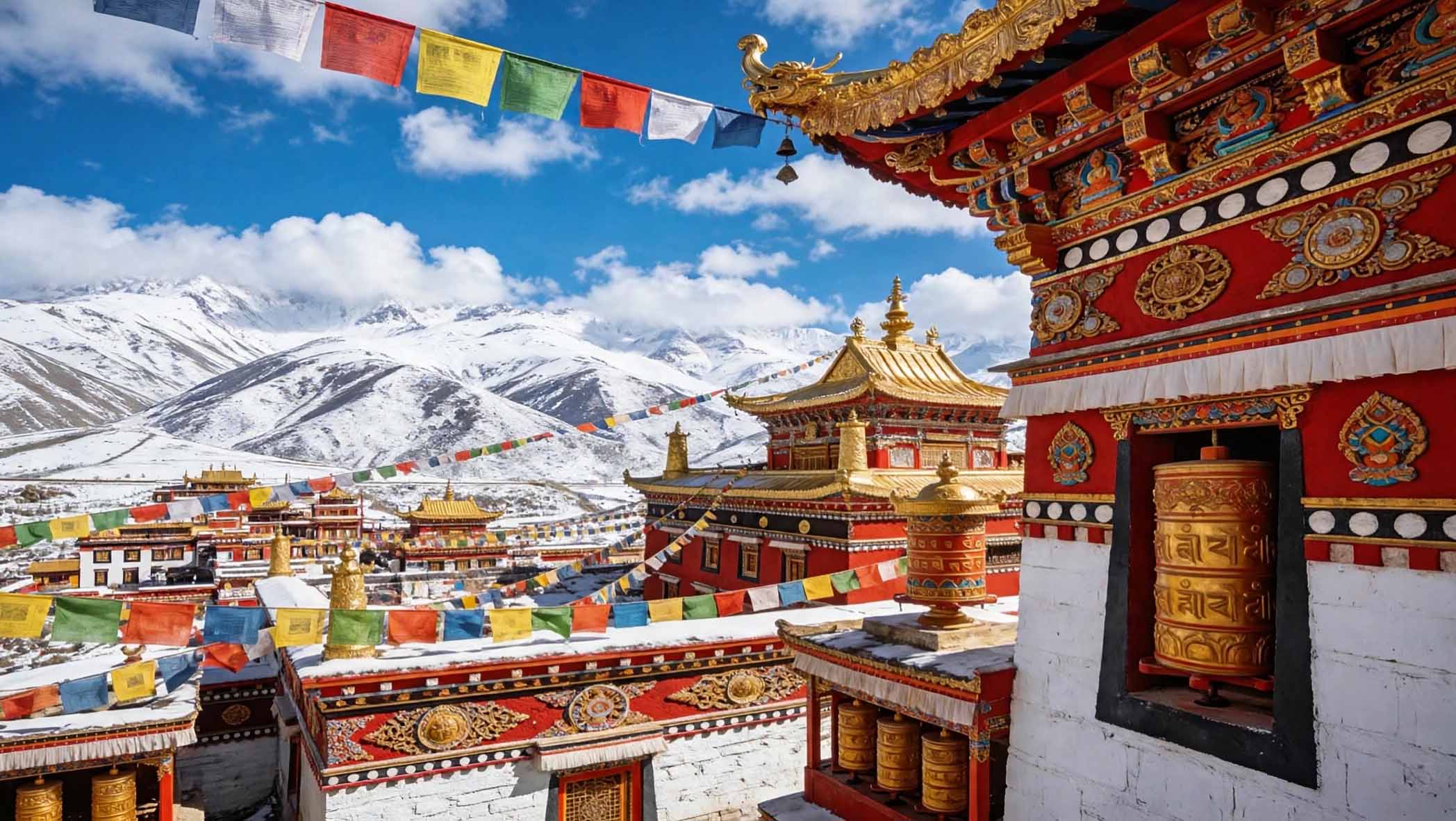
October to November first, late March to April second. These two windows have clear skies, dry trails, and every lodge open.
| Season | Conditions | Verdict |
| Oct to Nov | Clearest skies, busiest trail | Best overall |
| Dec to Feb | Very cold at night, quiet, cheaper | For experienced cold-weather trekkers |
| Mar to Apr | Warm days, expedition tents at Base Camp | Excellent |
| May | Hazy, pre-monsoon storms | Good early, poor after mid-month |
| Jun to Sep | Monsoon, cloud and flight cancellations | Avoid |
Book three to six months ahead for October, November and April. Lukla flight seats and the better lodges at Namche and Dingboche fill first.
Keep one buffer day before your international flight home. Lukla flights are cancelled in roughly one departure in four during peak season, and the alternative is a helicopter seat at USD 400 to 500.
Frequently Asked Questions
1. Do Filipinos need a visa for Nepal in advance?
No. Visa on arrival is available at Kathmandu airport for Philippine passport holders, paid in cash in US dollars.
2. How fit do you need to be?
Fit enough to walk five to seven hours a day for two weeks with a light daypack. Eight to twelve weeks of regular walking with some stair work prepares most people.
3. Is altitude sickness a serious risk?
It affects a substantial share of trekkers above 4,000 m and is managed by climbing slowly and taking rest days. Fitness does not prevent it, since ascent rate is what matters.
4. Can you buy or rent gear in Kathmandu?
Yes. Down jackets and sleeping bags can be rented in Thamel for NPR 100 to 250 a day with a cash deposit. Bring your own boots, worn in beforehand.
5. How much cash should you carry on the trek?
Around NPR 35,000 to 45,000 from Kathmandu. There are no ATMs past Namche Bazaar, and nothing above it takes cards.
6. Is there internet on the trail?
Paid wifi works at most lodges for NPR 2,000 to 3,000 per 10 GB card. Mobile coverage becomes unreliable above Namche.
7. What happens if the Lukla flight is cancelled?
You wait, which is why the buffer day exists. A helicopter out costs USD 400 to 500 per seat when the schedule runs out of room.
8. Is a porter necessary?
Not required, though most first-timers hire one. A porter carries up to 15 kg for USD 22 to 25 a day, which means walking with only water, layers, and a camera.