
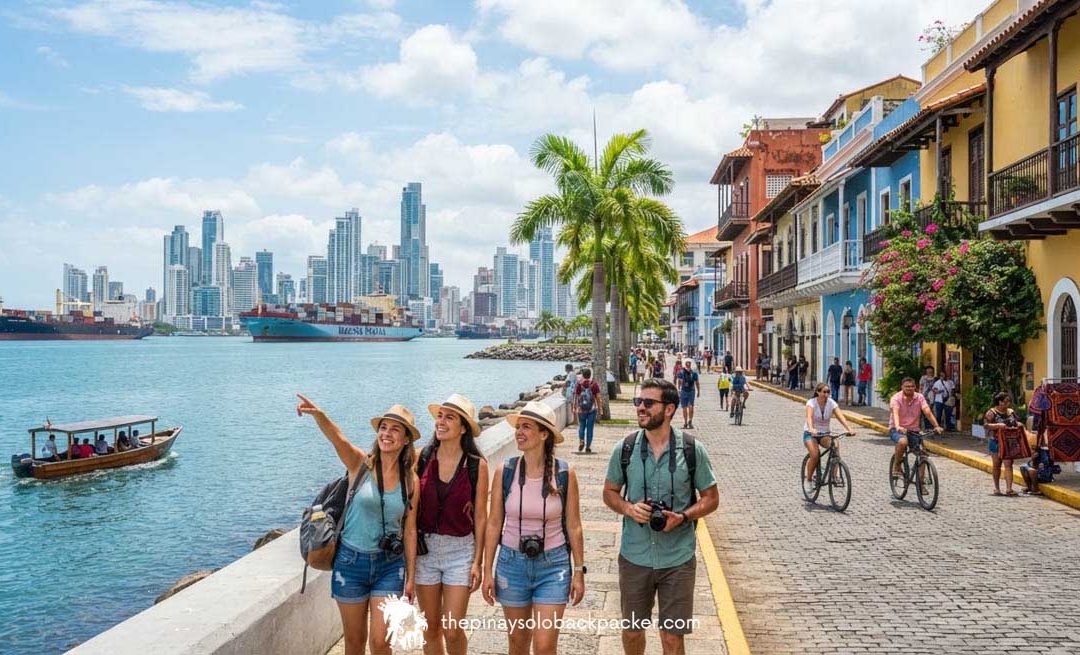
Panama packs three completely different vacations into one country. You can wake up to howler monkeys in a cloud forest, spend an afternoon on a Caribbean island reachable only by boat, and eat dinner in a Michelin-trained chef’s restaurant in a 40-story tower — all within the same week. That range is a gift, but it also means picking a base matters more here than in most destinations.
TRAVEL BLOG CONTENTS
What Jungle Lodges Actually Offer
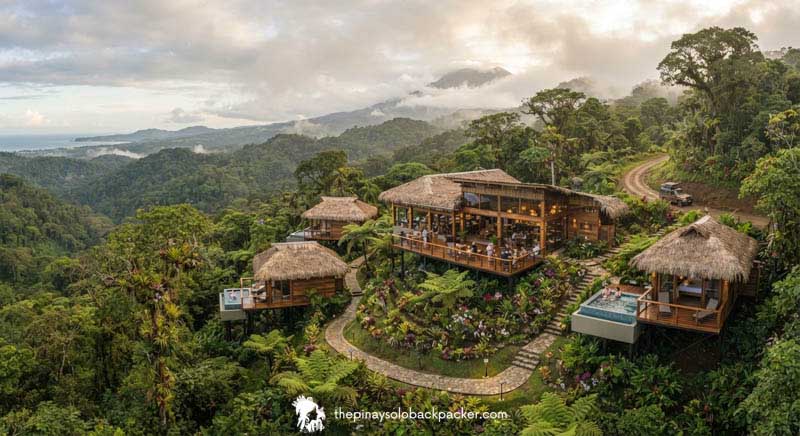
Lodges in places like Boquete, the Chiriquí highlands, or the Darién region are built for travelers who want wildlife and quiet over room service. Many operate on a fixed daily rate that includes guided hikes, meals, and transportation, since public roads often don’t reach these properties. Expect fewer than 20 rooms, no televisions, and staff who know the names of the resident bird species better than the nearest town’s restaurants.
The tradeoff is real: spotty Wi-Fi, early wake-up calls for birding, and a limited bar menu. But for travelers chasing quetzals, sloths, or a serious canopy zipline, no beach or city hotel comes close. Rainy season (May through November) brings lower rates and lush scenery, though afternoon downpours are near-daily and worth planning around.
Island Life in Bocas del Toro and San Blas
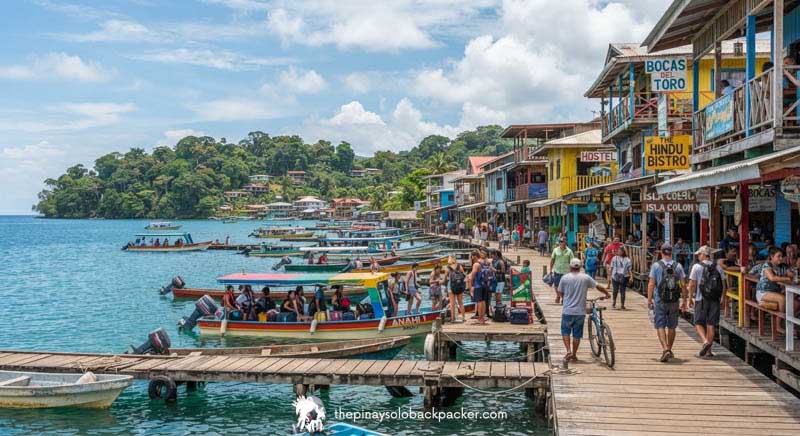
Panama’s islands split into two very different experiences. Bocas del Toro, on the Caribbean side, has a mix of backpacker hostels, mid-range guesthouses, and a handful of boutique hotels on private cays accessible only by water taxi. It suits travelers who want surfing, snorkeling, and a laid-back social scene without total isolation — the main town has restaurants, bars, and a ferry connection to the mainland.
The San Blas Islands (Guna Yala) are a different proposition entirely. These are autonomous indigenous territories run by the Guna people, and accommodations are simple — often thatched-roof cabins with cold water and solar power, sometimes no electricity after 9 p.m. What you get instead is white sand, turquoise water, and a cultural experience that doesn’t exist anywhere else in Central America. Bring cash, since credit cards don’t work out there, and expect basic meals of fresh fish, rice, and coconut.
Panama City as Your Base
Panama City works for travelers who want the canal, the casco viejo historic district, and genuine fine dining without sacrificing modern comforts. Hotels here range from international chains near the business district to restored colonial buildings in Casco Antiguo with rooftop pools overlooking the bay. Unlike the lodges and islands, city hotels offer 24-hour room service, real gyms, and staff used to handling last-minute changes.
The city also makes a smart hub for day trips. You can visit the Panama Canal locks at Miraflores in the morning, tour Casco Antiguo’s restored plazas in the afternoon, and be back for a proper cocktail by evening. For travelers building a multi-stop itinerary, several operators running Panama luxury tours use the city as the starting and ending point, since flights to Bocas del Toro and boat transfers to San Blas both originate from Panama City’s domestic terminal.
Matching the Choice to Your Travel Style
Travelers who prioritize wildlife and want guided, structured days should lean toward lodges — Boquete’s coffee farms and the Chiriquí highlands offer that experience with slightly more infrastructure than deeper jungle regions. Beach-focused travelers who still want some nightlife and food variety will find Bocas del Toro easier to manage than San Blas. Those chasing an unfiltered cultural and scenic experience, and who can handle a few days without hot showers, should prioritize San Blas.
Panama City suits anyone who wants comfort as a baseline, plus easy access to canal tours, history, and a serious food scene without long travel days. It also works well for travelers combining a business trip with leisure time, since flights and infrastructure are far more reliable than in the outer regions.
Combining Multiple Bases in One Trip
Most seasoned visitors don’t pick just one. A common structure is three or four nights in Panama City, three nights at a lodge for wildlife and cooler mountain air, and three to four nights on an island for beach time. This works logistically because domestic flights within Panama are short — Panama City to Bocas del Toro takes about an hour, and San Blas trips typically run as day tours or overnight packages booked through local operators rather than independent travel.
Budget for the fact that lodges and San Blas cabins price per person with meals included, while city hotels price per room with meals separate. That difference can skew a budget comparison if you’re not accounting for it upfront.
Making the Final Call
There’s no wrong answer here, only a mismatch between expectations and location. A traveler expecting Bocas del Toro’s nightlife will be disappointed by San Blas’s total quiet, and someone hoping for five-star amenities at a jungle lodge will be frustrated by the reality of solar power and simple meals. Match the setting to what actually matters most for the trip, then build the itinerary around that anchor rather than trying to force everything into one stop.